






Ep. 79 | Altered Mental Status — Nothing Is What It Seems
Altered mental status isn’t a diagnosis—it’s a warning. In this scenario-based episode, we walk through a deceptively simple call that starts as “possible intoxication” and evolves into something far more dangerous. Along the way, we pause for key decision points, challenge cognitive bias, and break down how EMS providers can avoid anchoring on the first obvious answer.
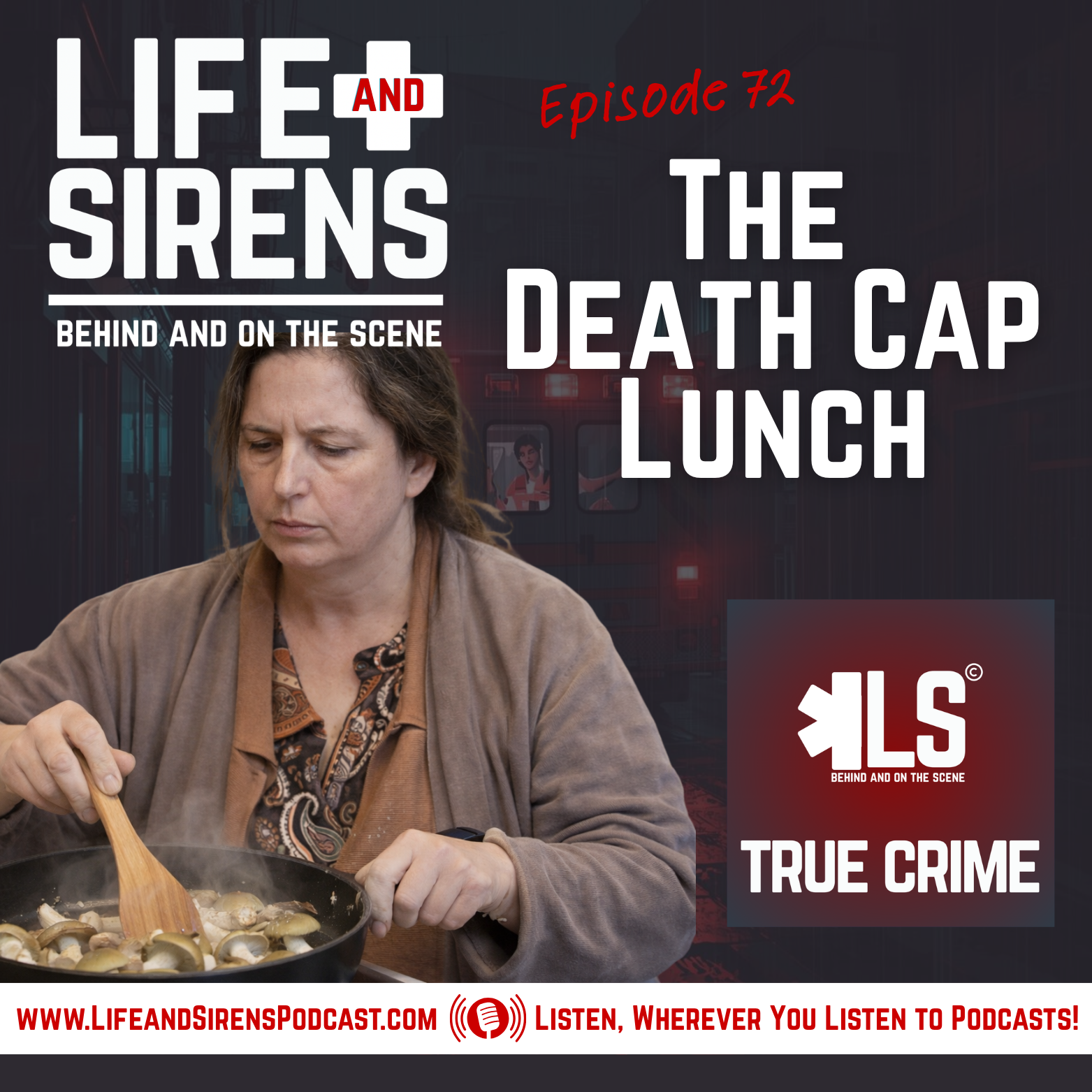
Ep. 78 | The Death Cap Lunch: A Family Meal, a Global Headline, and the Poison That Hides in Plain Sight
Learn how Death Cap mushroom poisoning presents in EMS. This guide breaks down amatoxin toxicity, delayed symptoms, and how providers can recognize life-threatening poisoning that mimics routine illness.
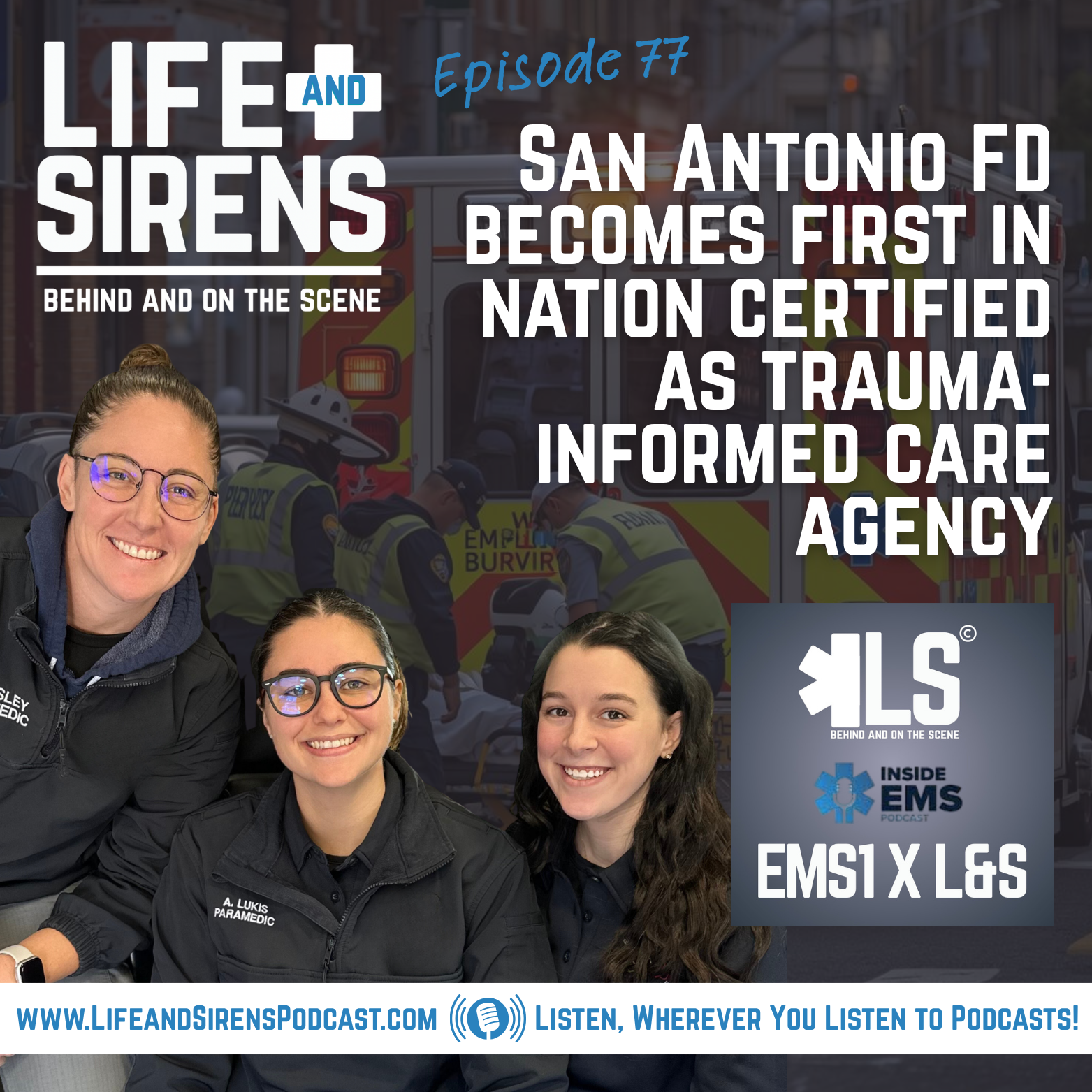
Ep. 77 | Trauma-Informed EMS: The Shift Changing the Future of the Job
Discover how trauma-informed care is transforming EMS. Learn how patient behavior, provider wellbeing, and agency culture are connected—and why this approach may shape the future of emergency services.
What’s Your EMS Personality?
Mentioned in our “Hard Partners,” Episode 76!
(Uncomfortably Accurate Edition)
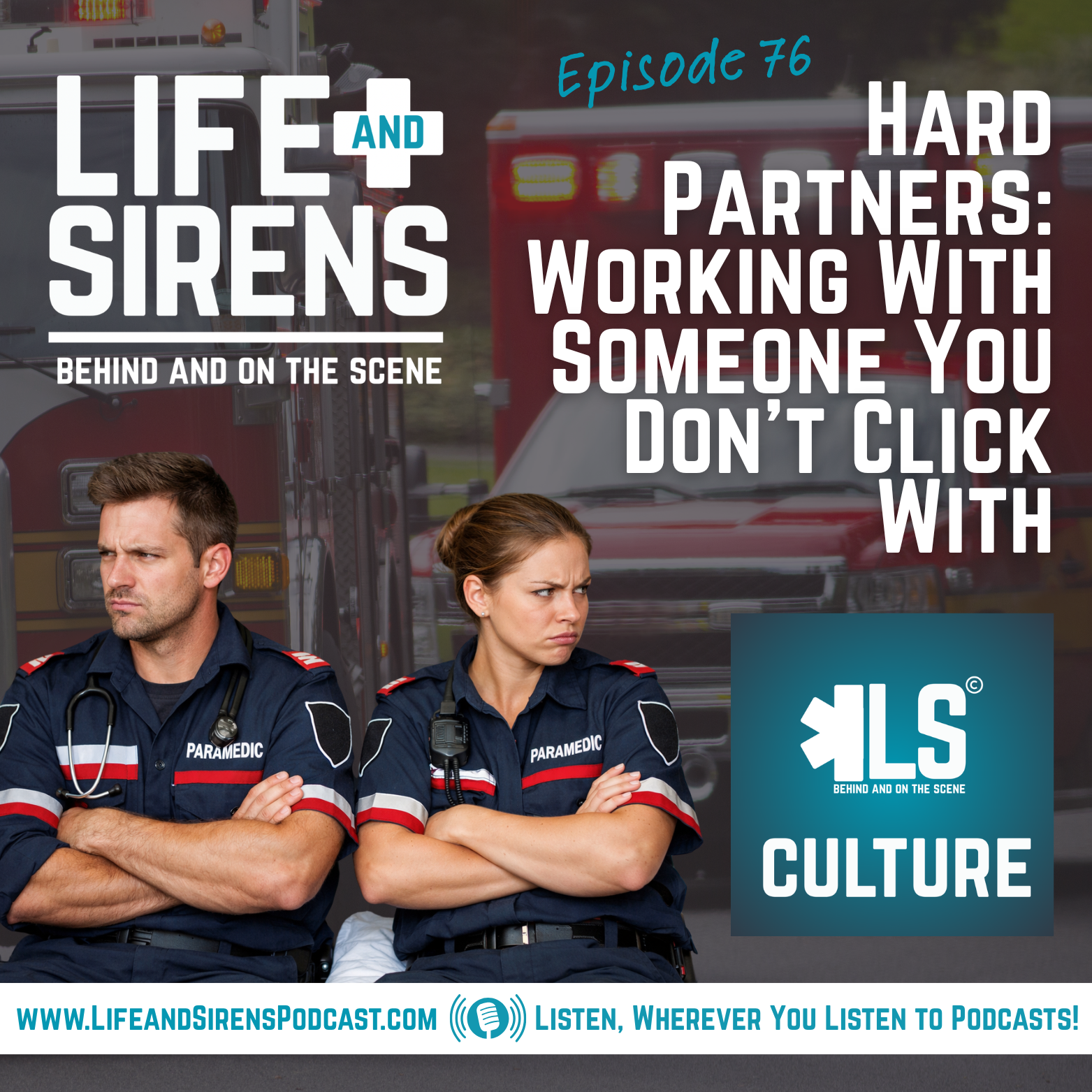
EP. 76 | Hard Partners: Working With Someone You Don’t Click With
Explore how teamwork and partner dynamics in EMS affect communication, patient outcomes, and provider burnout. Learn practical strategies to improve trust, reduce conflict, and perform better on the truck.
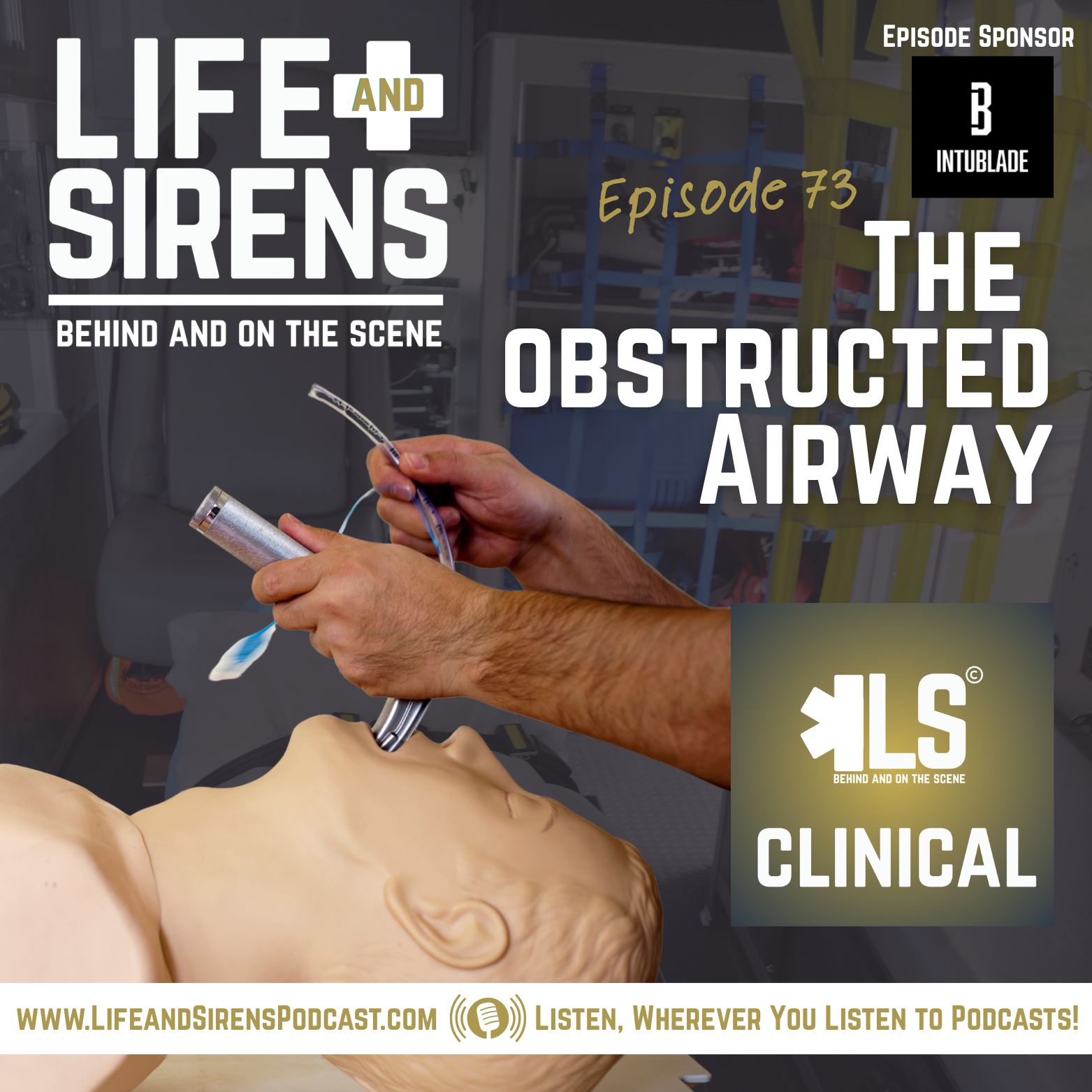
Ep. 73. | Airway Obstruction: Recognition, Strategy, and Clinical Excellence
Airway management is one of the most critical—and unforgiving—skills in prehospital care. In this episode, we take a focused clinical deep dive into airway obstruction, breaking down how to recognize it early, manage it effectively, and approach every airway with a strategy rooted in excellence.
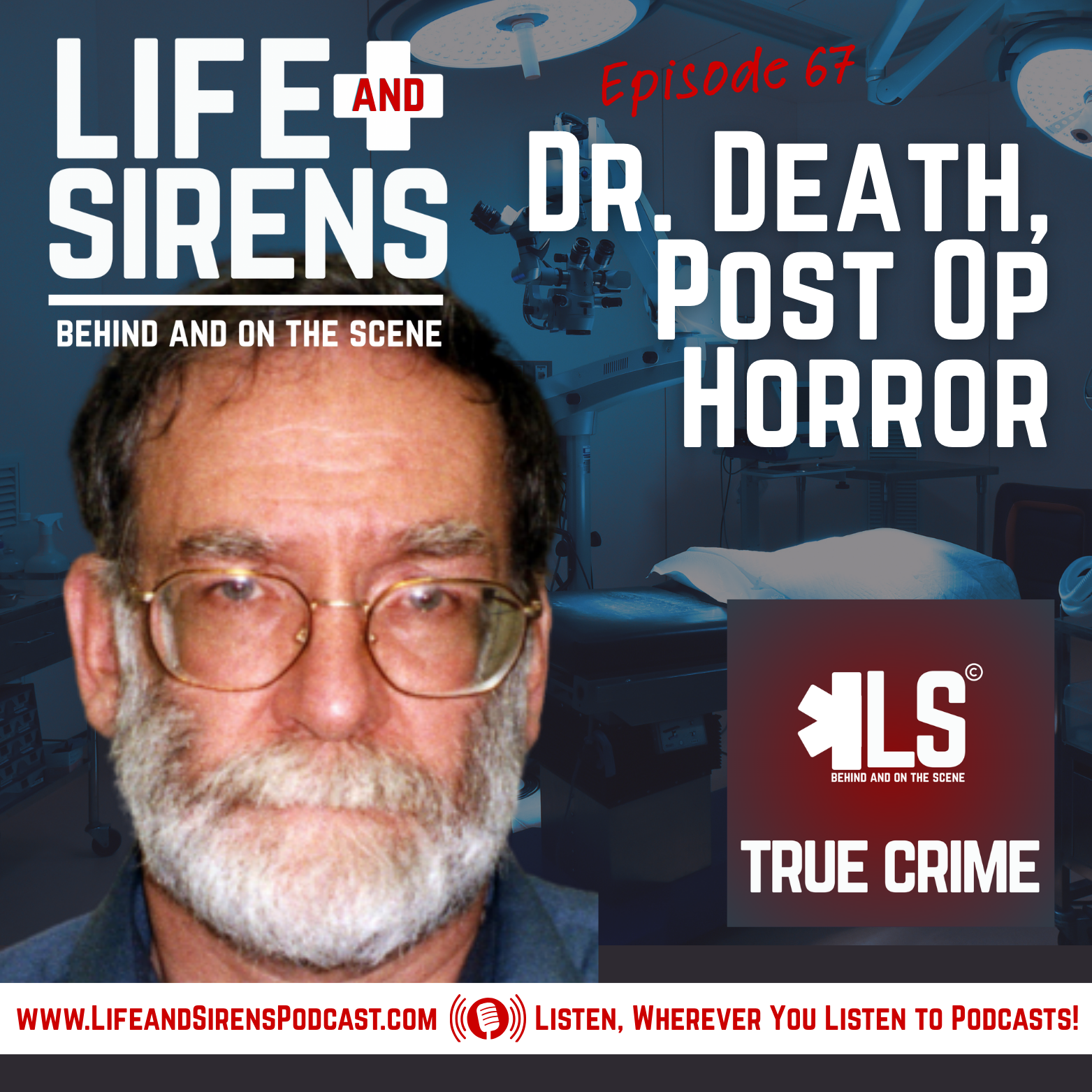
Ep. 68 | Dr. Death, Post Op Horror
There is a moment in medicine most patients never remember.
It happens after the IV is started. After the consent is signed. After the monitors begin their steady rhythm. The anesthesiologist leans in and says, “Take a few deep breaths.”
The room softens. The lights blur. Voices fade.
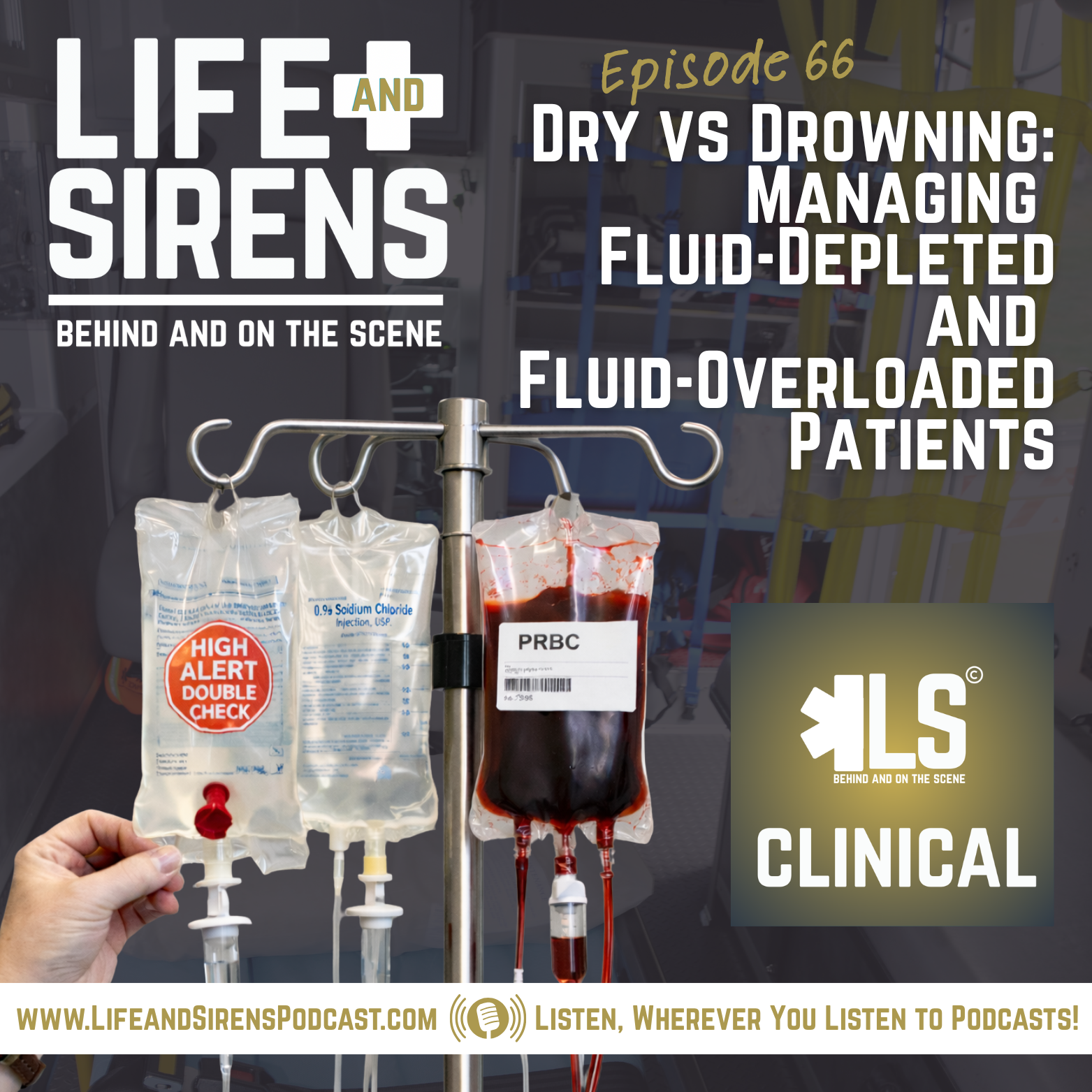
Ep. 67 | Dry vs Drowning– Managing Fluid-Depleted and Fluid-Overloaded Patients
A method-driven clinical episode that gives EMS a repeatable decision model for fluids, CPAP, nitrates, and blood products. This episode teaches how to differentiate hypovolemia, cardiogenic pulmonary edema, sepsis, and hemorrhage—so medics stop flooding drowning patients and starving shocked ones.
Ep. 66 | Valentine’s Special | Love Me, Love Me Not — The Realities of EMS
This Valentine’s Day, we’re talking about the relationship we’re all in: EMS. From the parts of the job we love — the purpose, the people, the adrenaline — to the parts that quietly wear on us, this episode is an honest look at what keeps us here and what makes it complicated. A little heart, a little humor, and a lot of truth about life in sirens. 🚑💘
Ep. 65 | Riot Control Rx: EMS Assessment & Transport in Civil Unrest
This episode — and this conversation — exists because of EMS1.
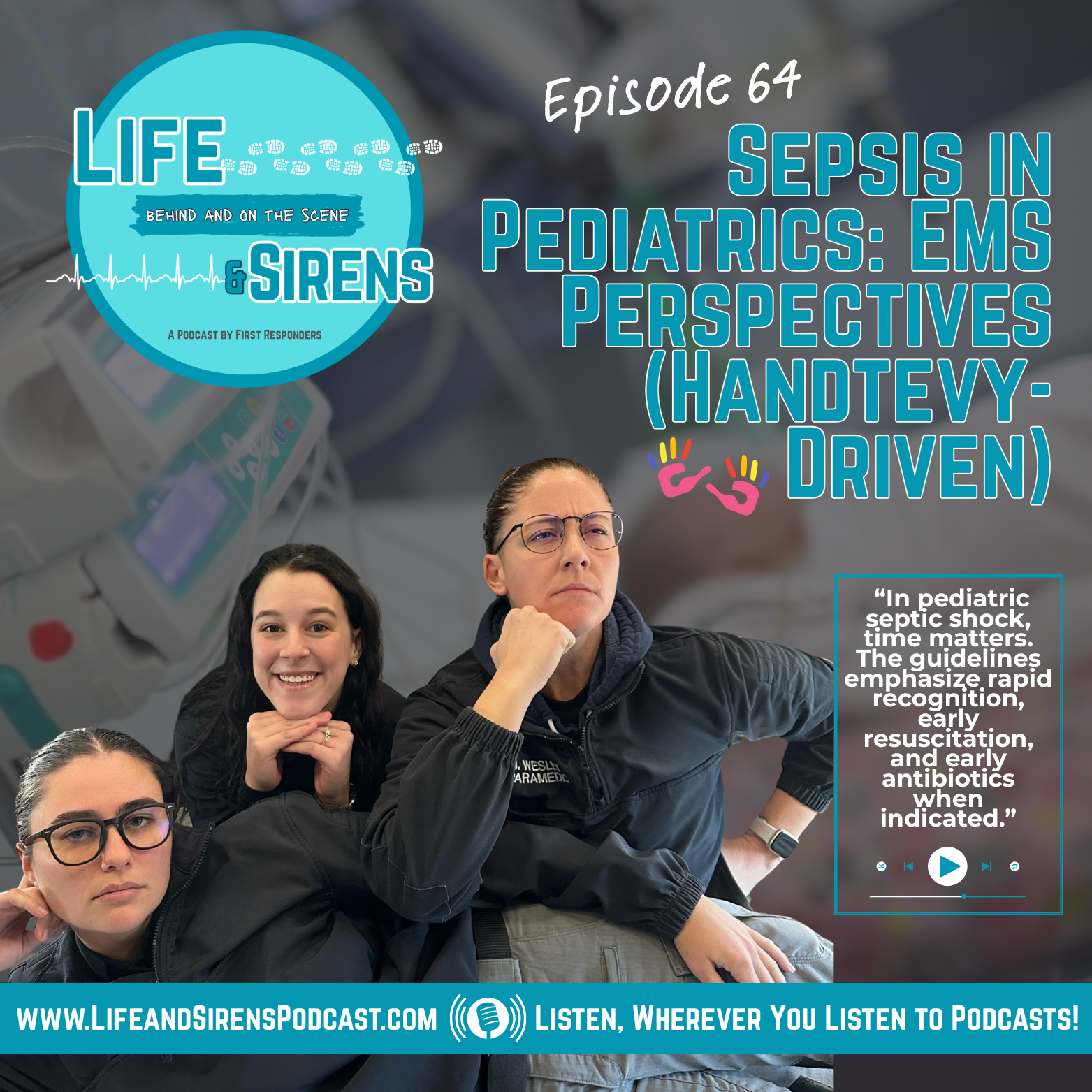
Ep. 64 | Sepsis in Pediatrics: EMS Perspectives (Handtevy-Driven)
Pediatric sepsis is one of the most dangerous “looks fine” calls we run — because children compensate exceptionally well… until they suddenly cannot.

Checklists Save Lives
Whether you’re fresh out of class or decades deep into EMS, intubation is one of those high-stakes skills that never stops demanding respect.
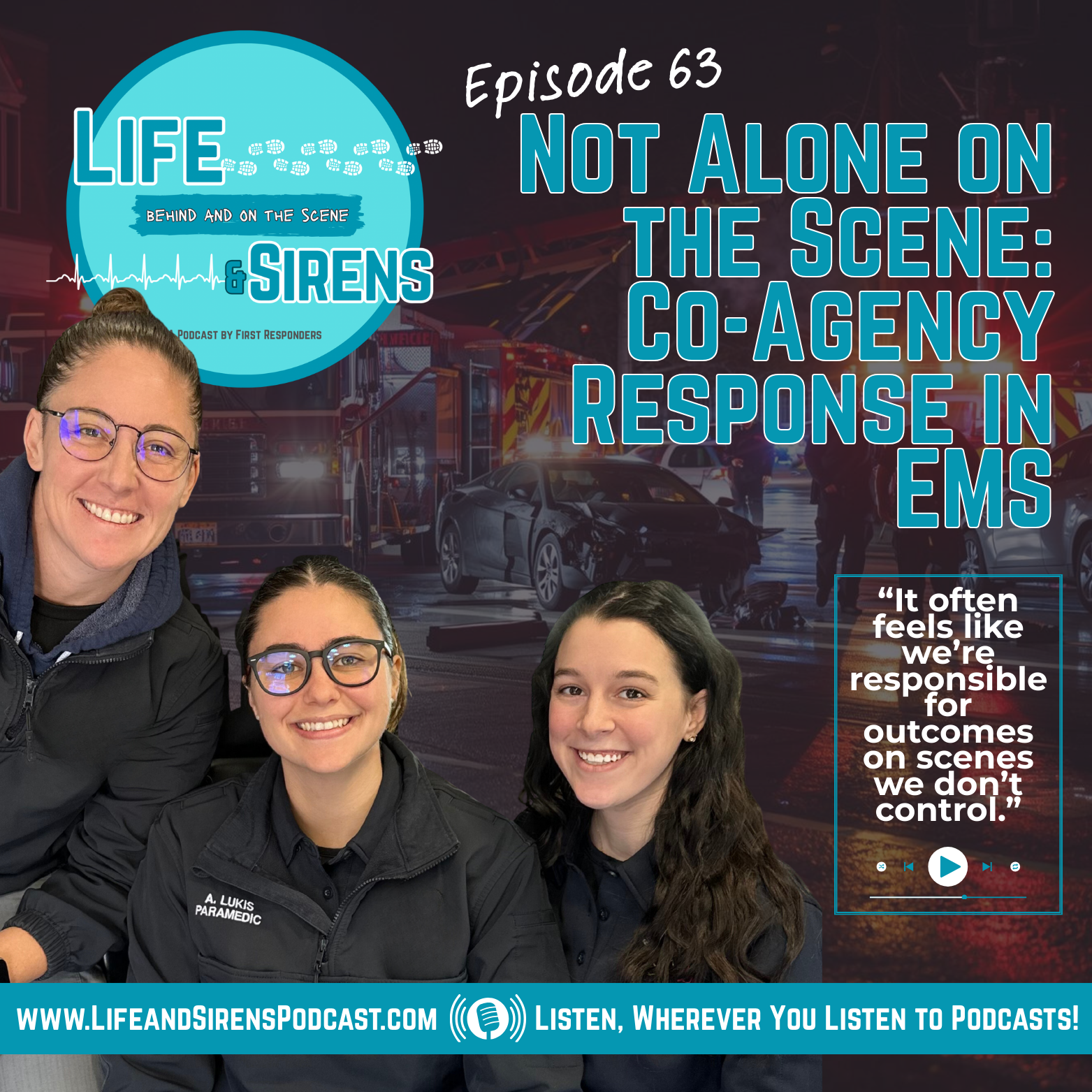
Ep. 63 | Not Alone on the Scene: Co-Agency Response in EMS
Every modern EMS call is a multi-agency scene.
Fire departments, law enforcement, hospitals, nursing homes, flight crews, emergency management, and federal agencies now routinely operate within the same response space. EMS no longer practices medicine in isolation — it practices inside interconnected systems with layered authority, shared environments, and competing priorities.
Just Do the 12-Lead: How Sneaky Cardiac Calls Can Fool You
There’s a moment that lives rent-free in my brain: a patient, mid-60s, pale and diaphoretic, insisting their only complaint is “a little indigestion.” No chest pain, no radiation, nothing textbook.

Ep. 62 | EMS True Crime: The Murder of David Castor
In August 2005, EMS responded to what appeared to be a routine call: an unresponsive man found in bed in a quiet home in Clay, New York. No trauma. No chaos. Nothing that immediately suggested a crime.
Shift Wars
Let’s be real—shift rivalry has always been “a thing” in EMS. Day shift vs. night shift. A shift vs. C shift. Weekends vs. weekdays.
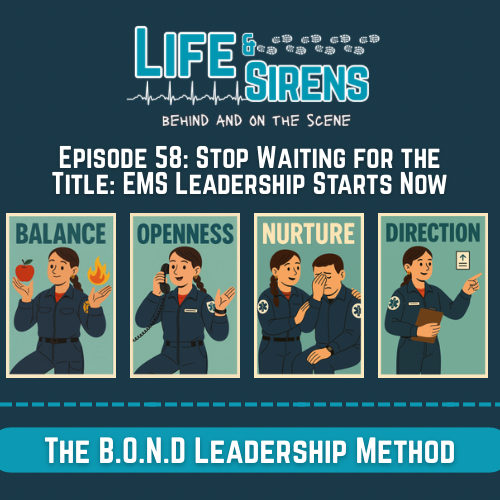
Ep. 58 | Stop Waiting for the Title: EMS Leadership Starts Now
Leadership in EMS doesn’t begin with a promotion, a title, or a badge on your chest — it starts the moment you walk into a shift.
Flight Physiology Basics
The aircraft doesn’t change everything, but the things it can change are pretty technical. The altitude, the pressure, the vibration, the noise, the environment—it all affects you and your patient in ways you might not expect.
Ep. 52 | Fireside Chat: Turkey, Trauma, and “So… What’s the Worst Call You’ve Ever Had?”
Sometimes the best conversations happen when someone from outside the job gets brave enough to ask the questions everyone else is thinking.